
✨Free Shipping on Orders Over $50 | Designed for Custom Lure Makers

Best Lure Colors for Bass Fishing in Clear Water
Clear water bass fishing requires a different approach from fishing in stained or muddy water. When visibility is high, bass can inspect a lure more closely, making natural colors, realistic patterns, and subtle finishes especially effective.
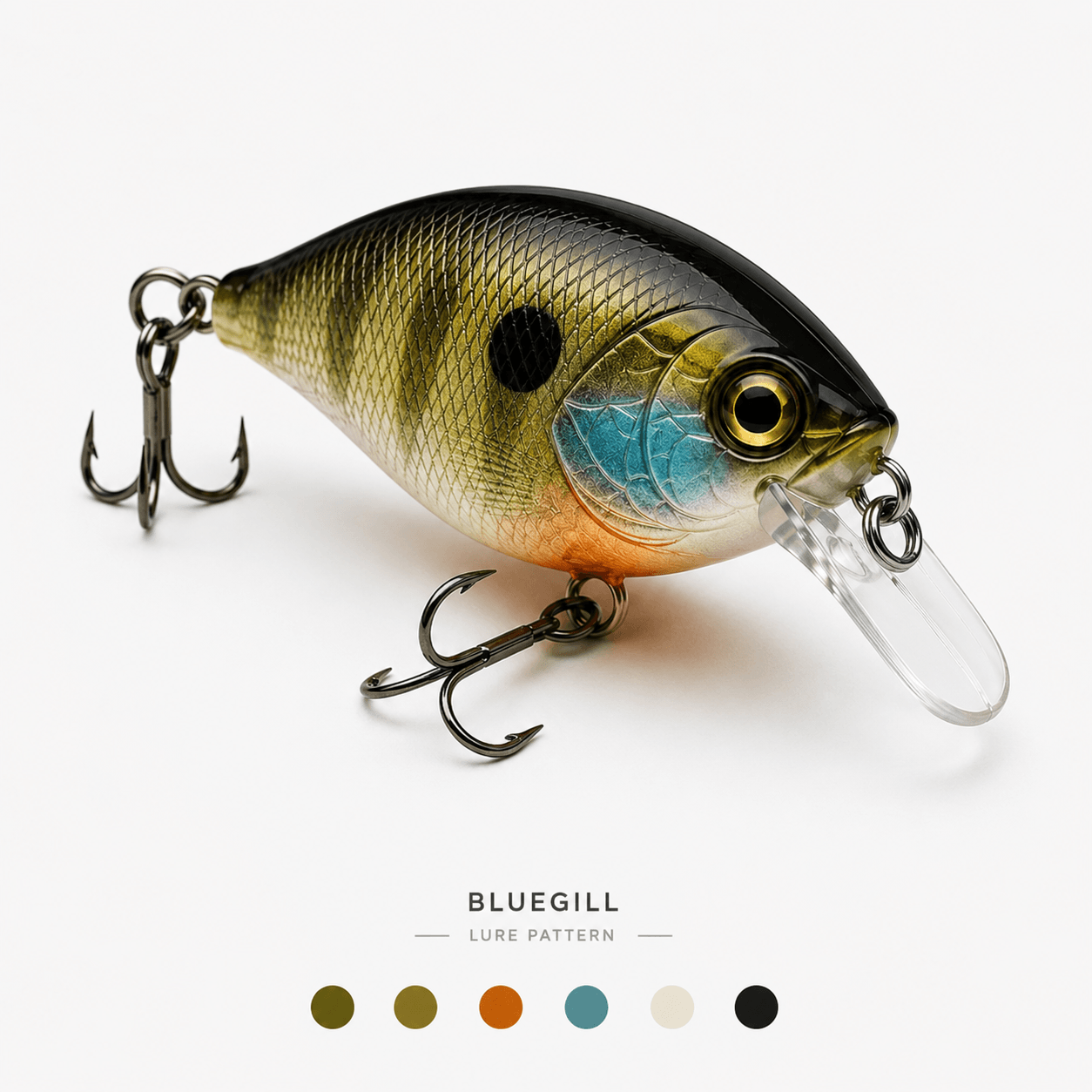
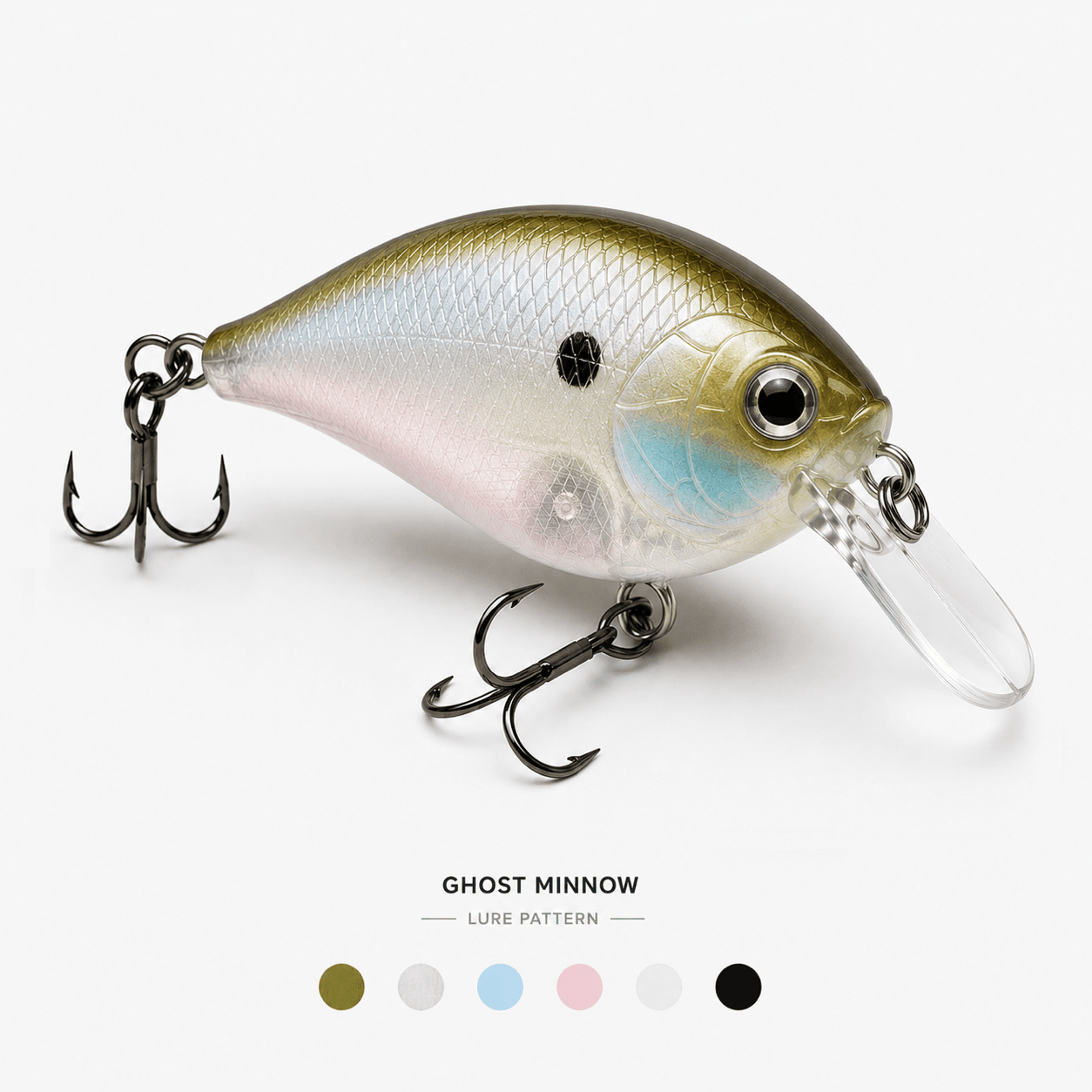
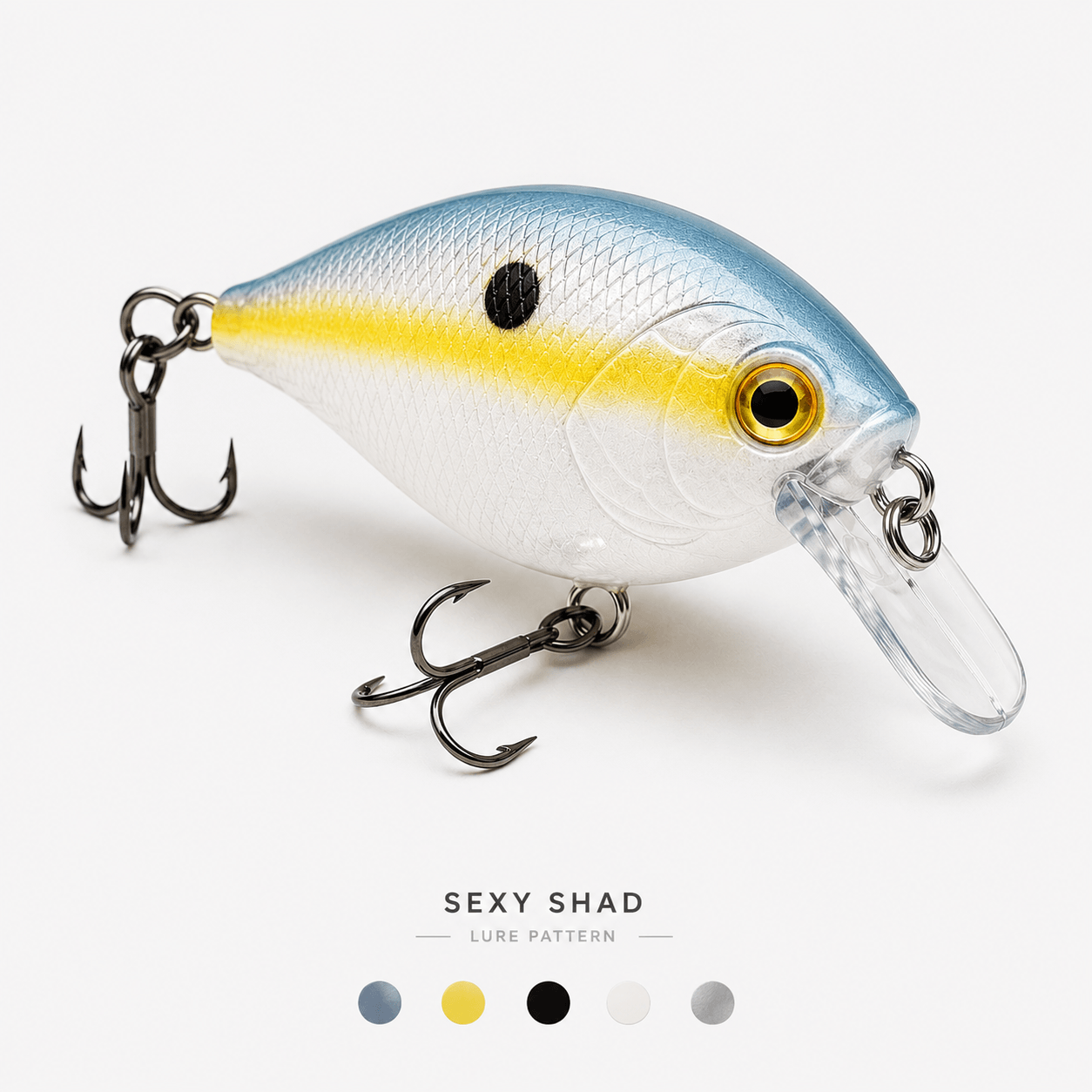
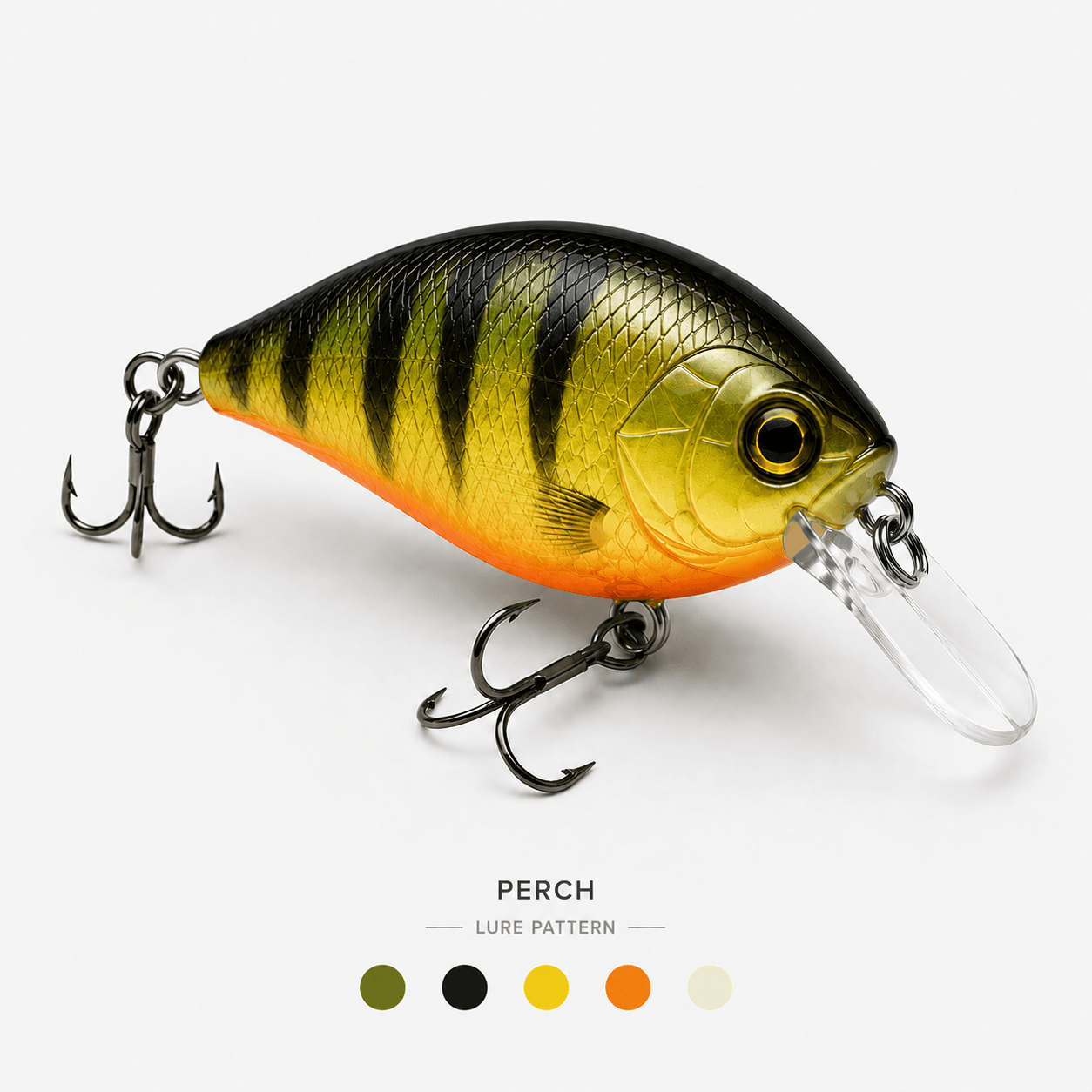
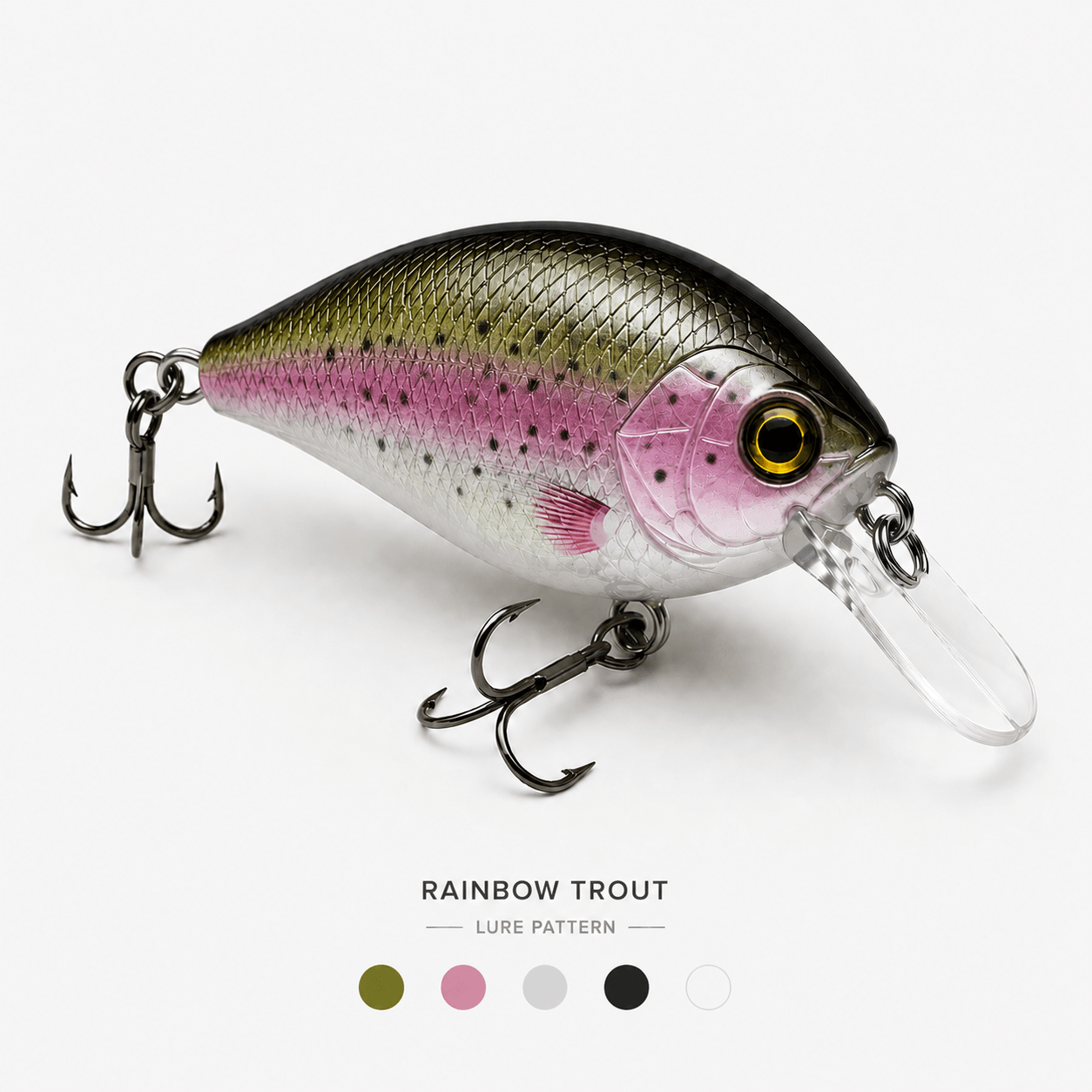
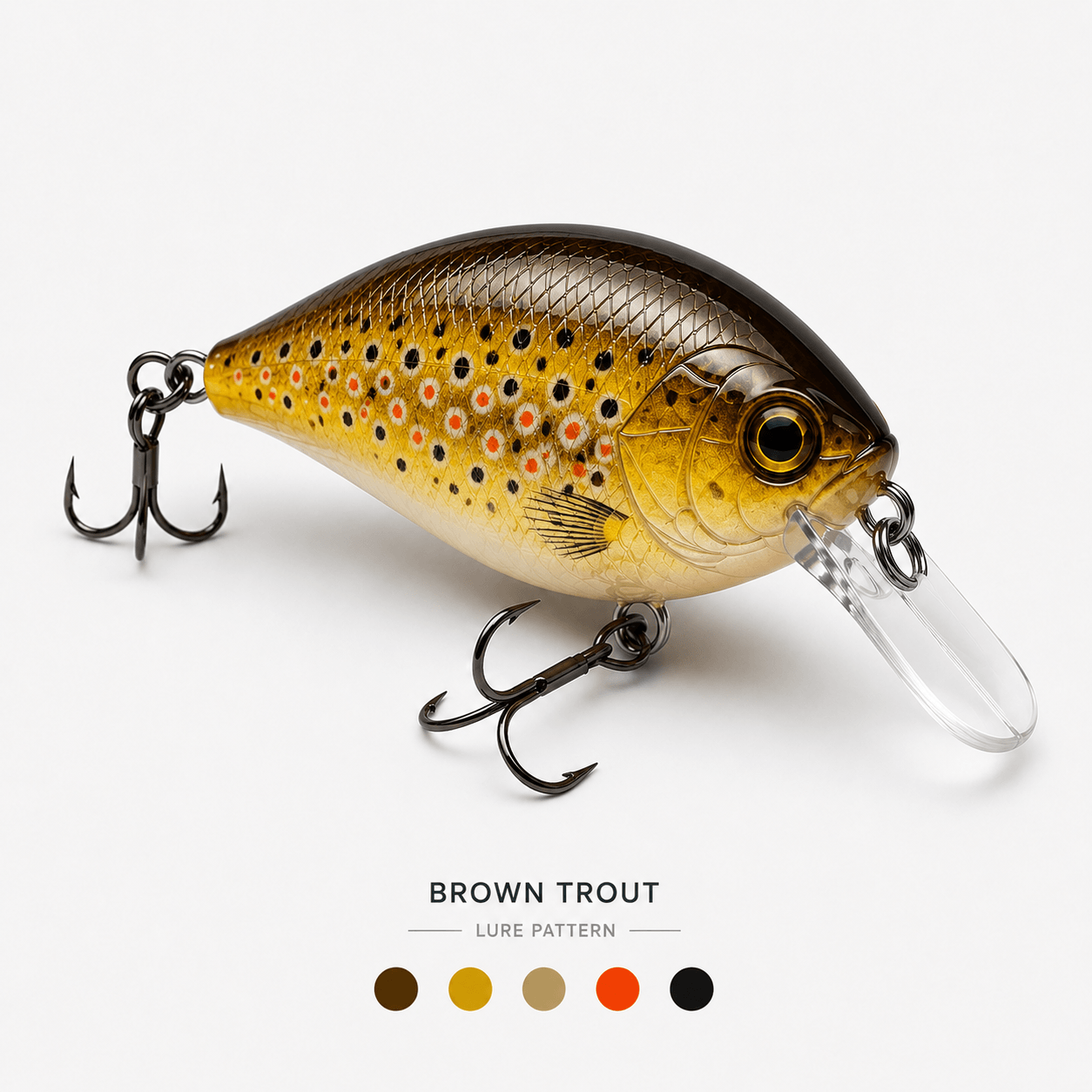
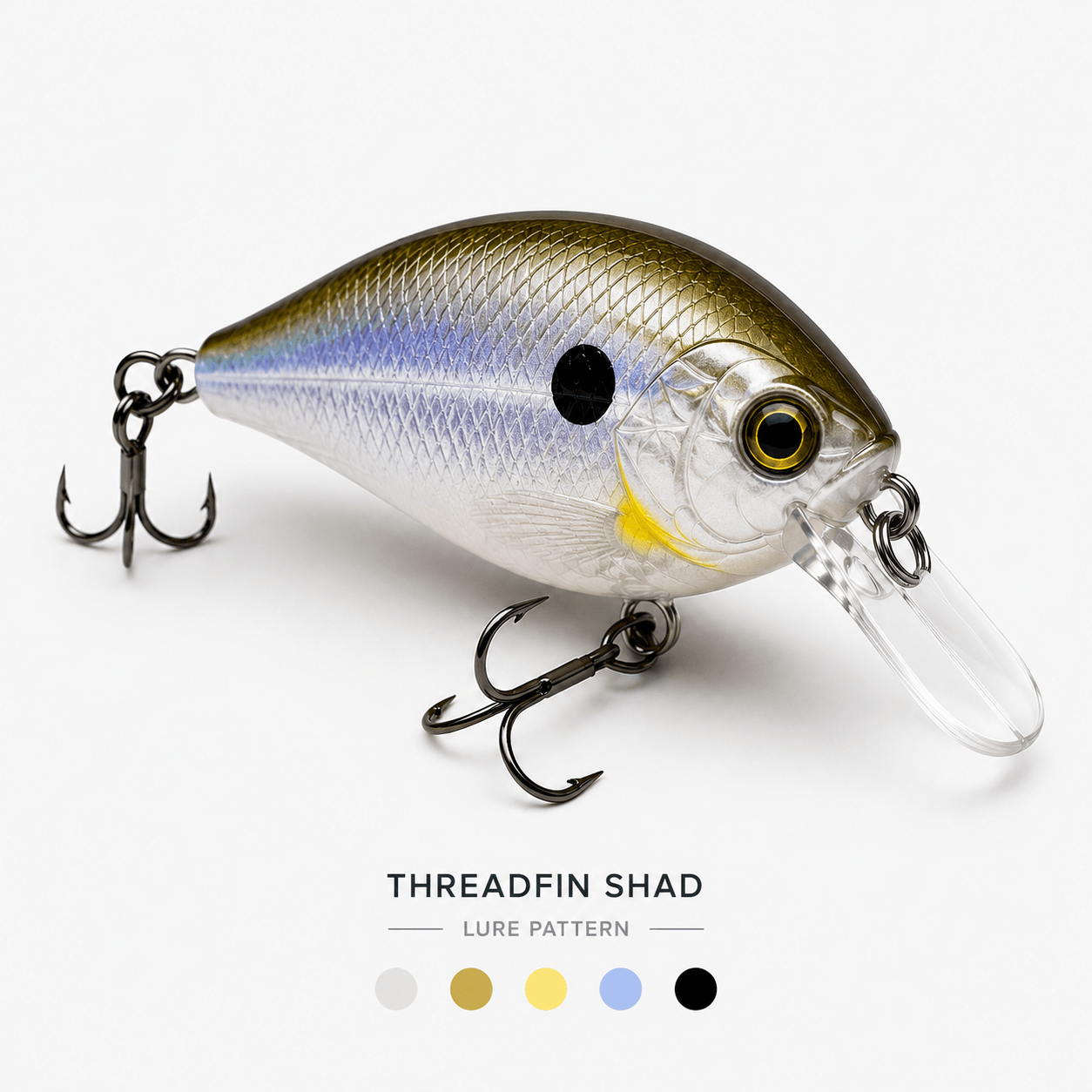
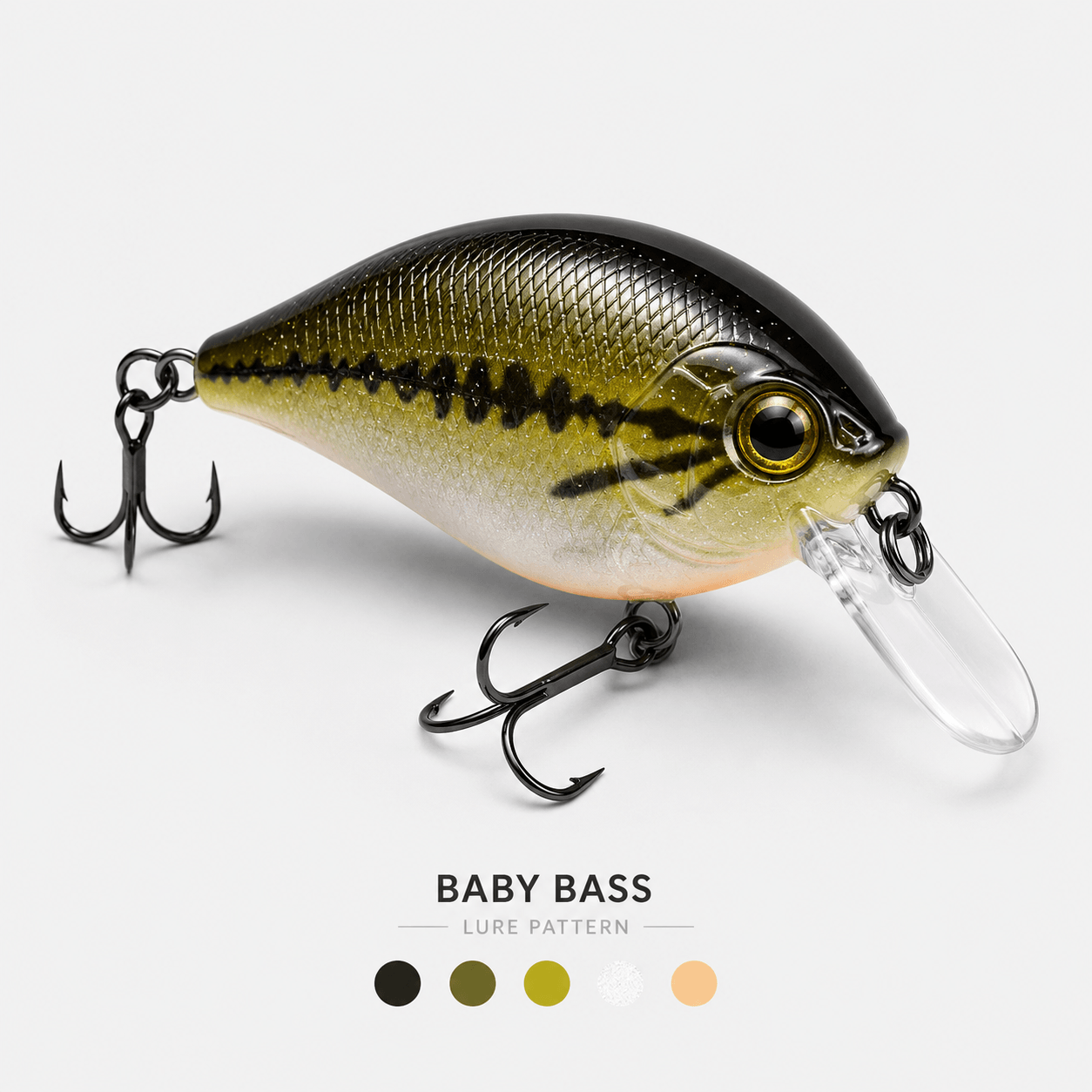
Our bass lure patterns for clear water are designed to give lure makers practical inspiration for creating realistic and effective custom fishing lures. From natural baitfish patterns to subtle shad, bluegill, and perch colors, these patterns can help you match the forage bass are seeing in clear-water environments.
Whether you are painting a minnow blank, jerkbait blank, swimbait blank, or glide bait blank, choosing the right pattern can make a significant difference.
COLOR GUIDE
Which Color Should You Use for Clear Water Bass Fishing ?
Start with our recommended color for these conditions, then switch to the backup option if the bite changes.
YOUR BEST STARTING COLOR
Green Pumkin
#6B7020
Why This Color?
Green pumpkin is a natural, low-contrast color that works well in clear water, where bass have more time to inspect your lure. Its green tones can closely resemble common natural forage such as bluegill and other prey.
IF THAT DOESN'T WORK
Ghost Minnow
#DDE5E5
Why Choose This Color?
Switch to ghost minnow when bass are feeding on small baitfish or when you want a more translucent, baitfish-like presentation.
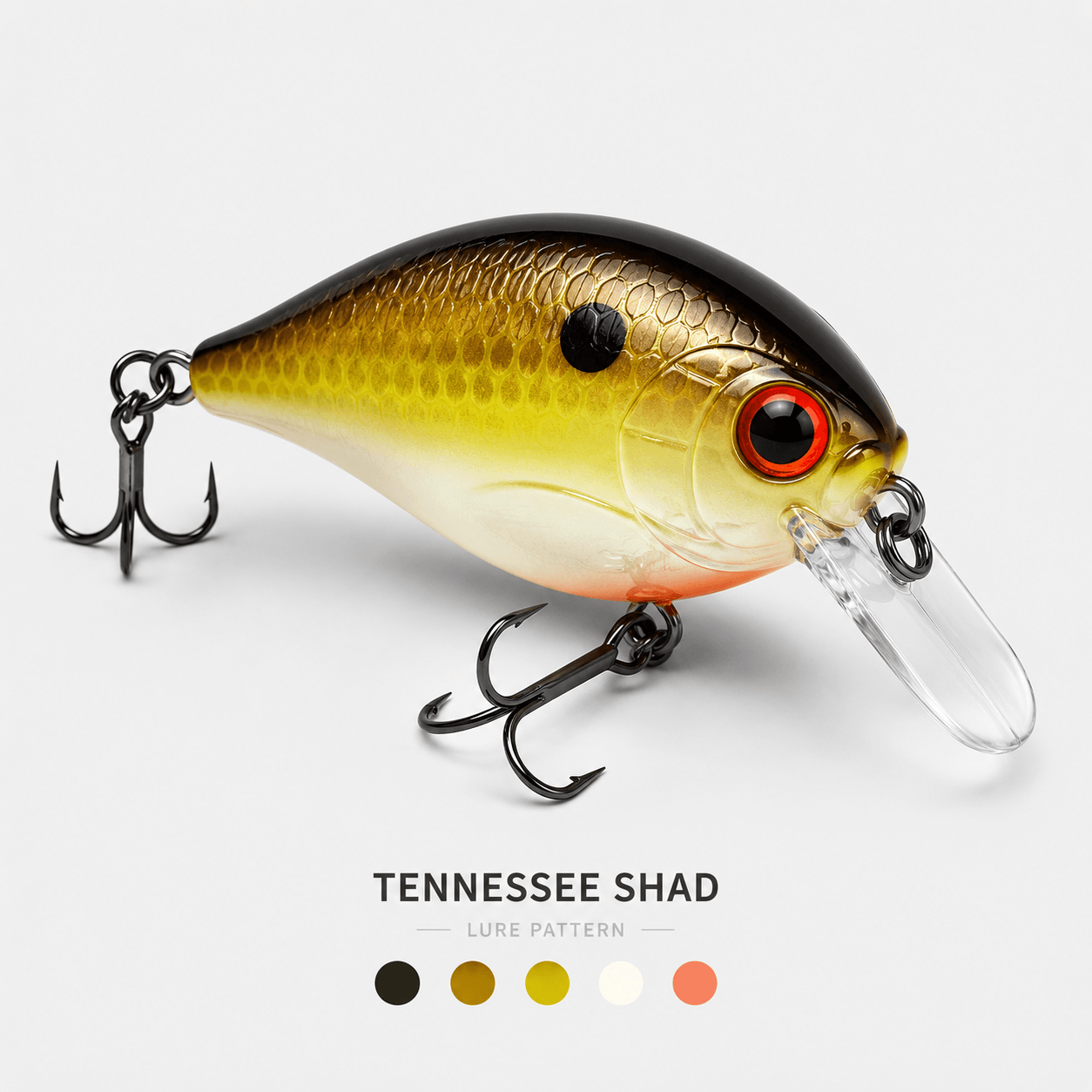
Recommended Lure Patterns for Fishing Bass
Frequently Asked Questions
FAQ 1. What colors are best for bass in clear water?
Natural and subtle colors are generally a good starting point for clear-water bass. Popular choices include shad, pearl, silver, ghost minnow, bluegill, green pumpkin, and other natural forage colors.
FAQ 2. Are natural colors better for clear-water bass?
Natural colors are often effective because bass have greater visibility in clear water and can inspect a lure more closely. Matching the appearance of local forage can help create a more convincing presentation.
FAQ 3. What is the best bass lure pattern for clear water?
There is no single best pattern for every situation. Shad, bluegill, perch, baby bass, and ghost minnow patterns are useful starting points depending on the forage available in the water you are fishing.
FAQ 4. Should I use metallic finishes for clear water bass lures?
Metallic finishes can be effective when bass are feeding on baitfish. Silver and subtle holographic or reflective finishes can imitate the flash produced by real baitfish, but excessive flash may be less natural in some conditions.
FAQ 5. What lure blanks are good for painting bass patterns?
Minnow, jerkbait, swimbait, and glide bait blanks are all suitable for bass patterns. The best choice depends on the type of forage you want to imitate and the action you want from the finished lure.
FAQ 6. Can I use these patterns for custom-painted bass lures?
Yes. These patterns can be used as inspiration for creating custom-painted bass lures. You can adjust the colors, markings, scale details, and finishes to match the forage and conditions of your local water.
FAQ 7. What lure color should I use on a sunny day in clear water?
Natural baitfish colors such as silver, pearl, translucent gray, and subtle green or blue tones can be good starting points. You can adjust the amount of metallic or reflective finish depending on the amount of sunlight.
FAQ 8. How do I make a bass lure look more realistic?
Focus on natural color transitions, realistic proportions, subtle markings, detailed eyes, and appropriate levels of contrast. In clear water, avoiding overly artificial colors and patterns can help create a more natural appearance.