✨Free Shipping on Orders Over $50 | Designed for Custom Lure Makers
Creating your own fishing lure is more than just choosing a color and adding a pattern. For many anglers, custom lure building is a way to combine fishing experience, creativity, and craftsmanship into one project.
But before you can paint a realistic baitfish pattern or create your own signature design, you need a proper foundation — and that is where a lure blank comes in.
A lure blank is the starting point of a custom fishing lure. It gives anglers and lure builders a ready-made body shape that can be painted, customized, and finished according to their own ideas.
Whether you are interested in painting your first lure, building custom fishing baits, or creating a unique collection, understanding what a lure blank is will help you choose the right materials and create better results.
What Is a Lure Blank?
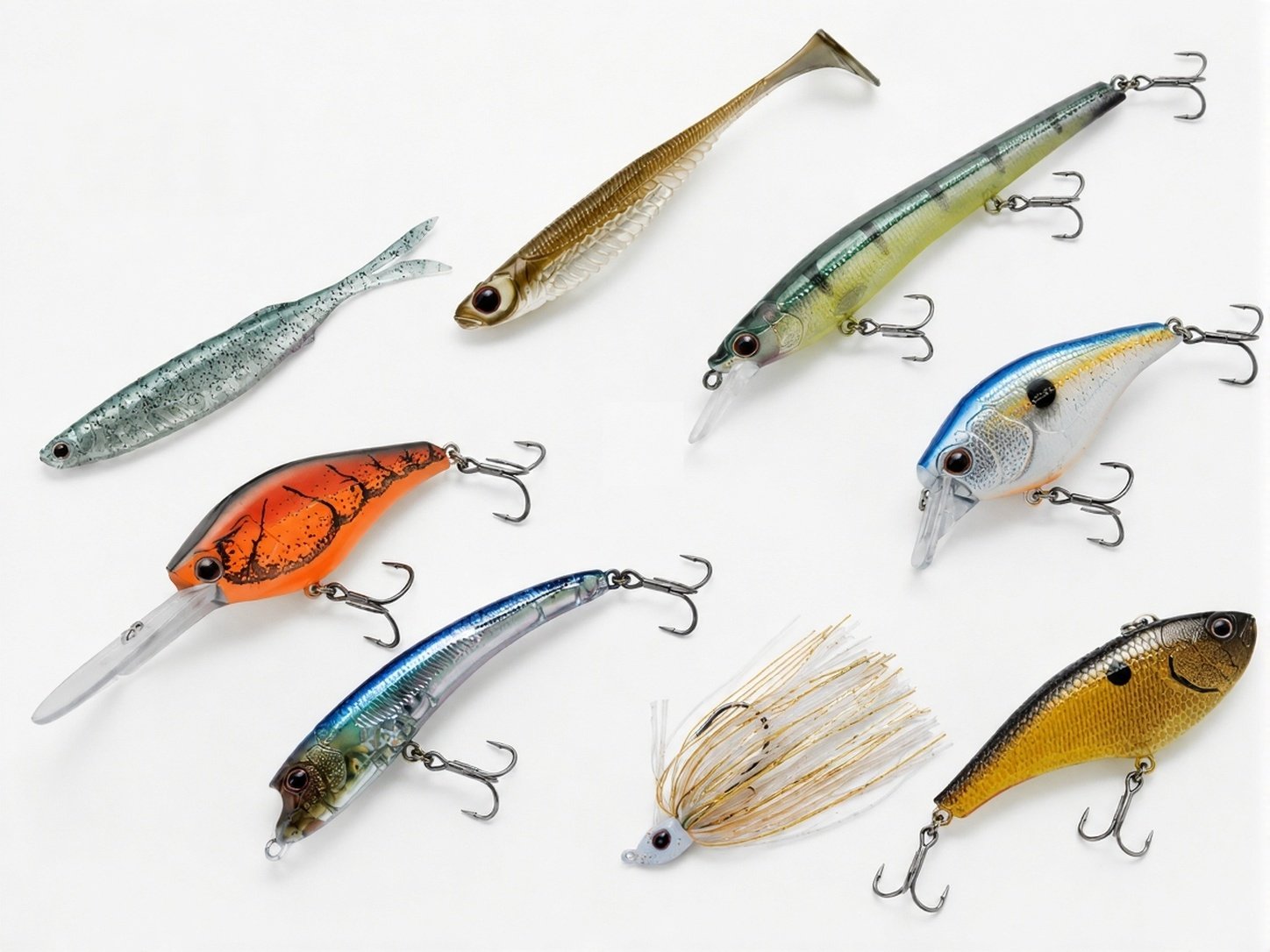
A lure blank is an unfinished fishing lure body without the final paint finish, decorative patterns, or sometimes hardware components such as hooks and split rings.
Simply put, it is the “empty canvas” of a fishing lure.
A finished fishing lure usually includes:
- A painted body
- Factory-designed color patterns
- Clear protective coating
- Hooks and hardware
- Brand markings
A lure blank usually provides only the basic lure structure:
- Body shape
- Internal weight system
- Joint structure (for multi-section lures)
- Hook hangers
- Surface ready for painting
The purpose of a lure blank is to allow anglers and lure makers to customize every visual aspect of the lure.
Instead of being limited to factory colors, builders can create:
- Natural baitfish patterns
- Custom predator-catching designs
- Local forage imitations
- Unique artwork and finishes
For example, a blank minnow lure can be painted to imitate:
- A small shad in clear water
- A bluegill around vegetation
- A trout pattern in rivers
- A bright reaction bait for stained water
This level of customization is why lure blanks have become increasingly popular among DIY anglers, custom painters, and independent lure brands.
Why Are Lure Blanks Important for Custom Lure Making?
A fishing lure is not only about shape and movement.
Color, pattern, contrast, and visibility can all influence how fish respond to a lure.
Professional anglers often adjust lure colors depending on:
- Water clarity
- Weather conditions
- Depth
- Local baitfish species
- Fish activity level
A factory lure may work well in general situations, but a custom-painted lure allows the angler to create something specifically designed for their fishing environment.
For example:
- A realistic translucent minnow pattern can perform well in clear water.
- A bright chartreuse pattern can create more visibility in muddy conditions.
- A dark silhouette pattern can be effective during low-light periods.
This is where lure blanks become valuable.
They give builders complete creative control over the final product.
Lure Blank vs Finished Fishing Lure: What Is the Difference?
The biggest difference between a lure blank and a finished fishing lure is customization.
A finished lure is ready to use immediately, while a lure blank is designed for modification and personalization.
| Feature | Lure Blank | Finished Fishing Lure |
|---|---|---|
| Paint | Unpainted | Factory painted |
| Customization | Unlimited | Limited |
| Ready to fish | Usually requires finishing | Ready to use |
| Color choice | Designed by builder | Chosen by manufacturer |
| Best for | Custom lure makers | Everyday anglers |
| Production flexibility | High | Low |
Why Choose a Lure Blank Instead of a Finished Lure?
There are several reasons why anglers choose lure blanks.
1. Create Unique Fishing Lure Patterns
Factory lures usually come in a limited number of colors.
With a lure blank, you can create unlimited combinations:
- Different base colors
- Natural scale patterns
- Custom markings
- UV effects
- Hand-painted details
This allows lure makers to create designs that are not available from traditional brands.
2. Match Local Fishing Conditions
Experienced anglers know that the best lure color often depends on the environment.
A lure pattern that works in one lake may not perform as well somewhere else.
By starting with a blank lure body, anglers can create patterns based on:
- Local prey species
- Seasonal changes
- Water visibility
- Fishing pressure
For example:
A bass fisherman may create a bluegill pattern for shallow vegetation areas, while another angler may prefer a realistic shad pattern for open water.
3. Build Your Own Fishing Lure Brand
Many independent lure companies begin with blank lure bodies.
Instead of investing in expensive manufacturing equipment, small brands can:
- Select a lure blank design
- Develop unique paint patterns
- Test performance
- Create their own product line
This makes lure blanks an important starting point for custom lure businesses.
Different Types of Fishing Lure Blanks
Lure blanks come in many different shapes and designs depending on the type of fishing technique they are intended for.
Understanding the different types helps you choose the right blank for your project.
Hard Plastic Lure Blanks
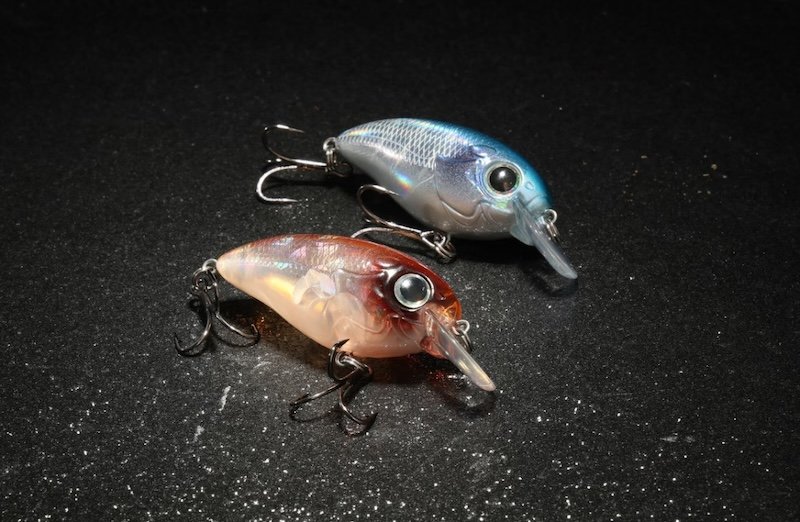
Hard plastic lure blanks are among the most common options for custom lure makers.
They are widely used for:
- Crankbaits
- Jerkbaits
- Minnow lures
- Topwater lures
Advantages include:
- Consistent shape
- Durable construction
- Reliable swimming action
- Easy painting surface
Because the body shape is already engineered, builders can focus on creating custom finishes instead of manufacturing the entire lure from scratch.
Wooden Lure Blanks
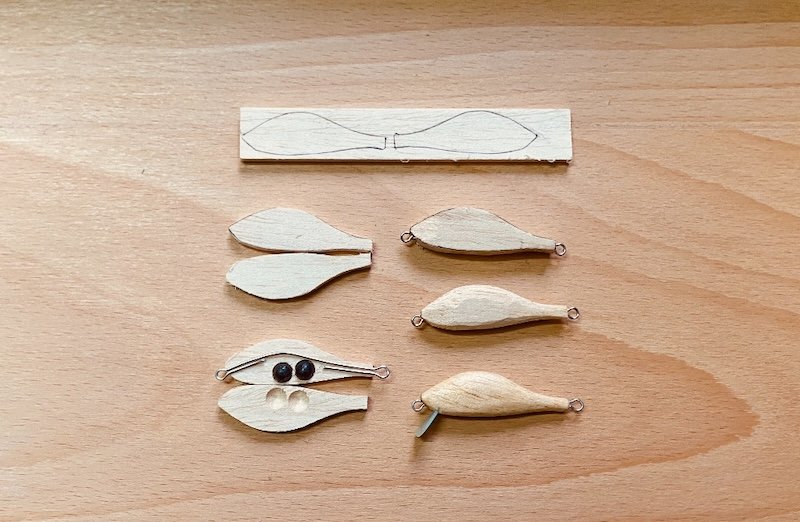
Although modern lure manufacturing often uses plastic materials, wooden lure blanks remain popular among traditional lure builders and handmade bait creators.
Wood has been used for fishing lures for generations because of its natural characteristics and craftsmanship potential.
Common wood types include:
- Cedar
- Balsa
- Basswood
- Hardwood varieties
Wooden lure blanks are popular because they offer:
Natural Buoyancy
Different types of wood have different densities, which can influence:
- Floating ability
- Sinking speed
- Swimming action
Handmade Customization
Wood blanks are especially attractive to builders who enjoy:
- Carving
- Sanding
- Hand painting
- Creating one-of-a-kind designs
Many collectible fishing lures and artisan handmade baits begin as carefully shaped wooden lure blanks.
Resin and Molded Lure Blanks
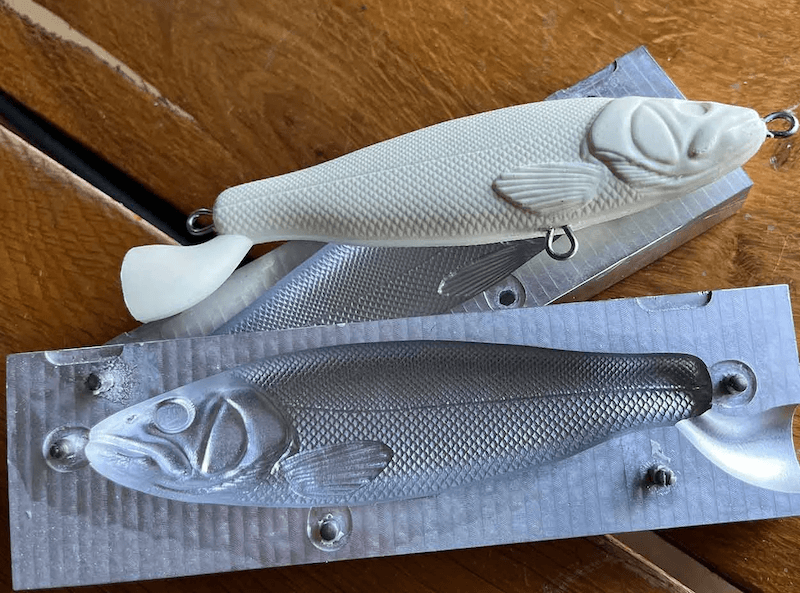
Resin lure blanks are another option for advanced custom lure makers.
They are commonly used for:
- Prototype development
- Limited production runs
- Highly detailed lure designs
Advantages include:
- Complex shapes
- Detailed surface features
- Consistent production quality
For builders who want to experiment with unique lure concepts, resin blanks provide additional flexibility.
What Materials Are Lure Blanks Made From?
The material of a lure blank affects its:
- Weight
- Buoyancy
- Durability
- Swimming action
- Painting requirements
Understanding these differences helps lure makers select the right blank for their project.
ABS Plastic Lure Blanks
ABS plastic is one of the most common materials used in modern fishing lure production.
It is popular because it provides:
Durability
ABS plastic can withstand:
- Repeated casting
- Fish strikes
- Contact with rocks and structure
Consistent Performance
Because the material is manufactured using molds, every lure blank maintains consistent:
- Shape
- Weight distribution
- Balance
This consistency is especially important for builders producing multiple custom lures.
Wood Lure Blanks
Wood remains a favorite material for handmade lure makers.
Compared with plastic, wood offers:
- Natural movement
- Traditional craftsmanship
- Individual character
However, wooden lure blanks usually require more preparation before painting, including:
- Surface sealing
- Sanding
- Primer application
How to Choose the Right Lure Blank
Choosing the right lure blank depends on your fishing goal, skill level, and the type of lure you want to create.
Before purchasing a lure blank, consider these factors.
1. Choose Based on Target Fish Species
Different fish species respond to different lure profiles.
For example:
Bass
Popular choices:
- Swimbait blanks
- Glide bait blanks
- Shad-style blanks
Trout
Common choices:
- Small minnow blanks
- Natural baitfish designs
Pike and Musky
Often require:
- Larger profile blanks
- Stronger construction
- Multi-joint designs
The correct lure blank should match both the target species and fishing environment.
2. Choose the Right Lure Size
Size plays an important role in lure presentation.
Small lure blanks are suitable for:
- Clear water
- Finicky fish
- Smaller prey imitation
Large lure blanks are better for:
- Trophy predators
- Bigger forage imitation
- Reaction fishing
Consider the natural prey in your local waters before selecting a size.
3. Consider Water Conditions
Color and pattern selection should always match the fishing environment.
A lure blank gives you the freedom to create patterns specifically for different conditions.
Examples:
| Fishing Condition | Recommended Pattern Style |
|---|---|
| Clear Water | Natural baitfish patterns |
| Stained Water | High contrast colors |
| Low Light | Dark silhouette patterns |
| Sunny Conditions | Realistic reflective finishes |
How to Customize and Paint a Lure Blank
Creating a quality lure blank requires more than simply forming a plastic or wooden body.
Professional lure production involves multiple stages to ensure proper shape, balance, and swimming performance.
The process of creating a custom fishing lure usually follows these steps:
- Choose a Lure Blank: Select the right shape and size based on target fish species
and fishing conditions. - Prepare the Surface: Clean the lure body and apply primer if needed.
- Add Your Custom Paint Pattern: Create your own design using airbrush techniques,
colors, and details. If you are looking for more inspiration, explore our fishing lure pattern library to discover more color ideas for your next DIY project. - Apply Protective Coating: Protect the paint from water and scratches.
- Add Hooks and Final Components: Complete the lure and test it in the water.
Ready to Create Your Own Fishing Lure?
Start your custom lure project with premium unpainted lure blanks designed for painting, customization, and lure making.
Conclusion: Start Building Your Own Custom Fishing Lure
A lure blank is more than just an unfinished fishing lure body.
It is the starting point for creativity, customization, and innovation in lure making.
Unlike factory-produced fishing lures with fixed designs, lure blanks allow anglers and builders to create something completely their own — from realistic baitfish imitations to unique custom patterns designed for specific fishing conditions.
Whether you are painting your first lure, developing a handmade bait collection, or building a future fishing lure brand, choosing the right lure blank gives you the foundation to create better and more personalized fishing lures.
The process starts with understanding the blank, choosing the right design, selecting the perfect color pattern, and applying quality finishing techniques.
At LureColor, we believe every great fishing lure begins with the right foundation.
Explore our collection of unpainted lure blanks, discover new ideas from our fishing lure color pattern library, and learn how to transform a simple blank body into a custom fishing lure.
Frequently Asked Questions About Lure Blanks
1. What does “lure blank” mean?
A lure blank is an unfinished fishing lure body designed for customization.
Unlike a finished fishing lure, a blank does not have a final factory paint pattern. It allows anglers and lure makers to create their own colors, designs, and finishes.
Lure blanks are commonly used by:
- DIY lure builders
- Custom lure painters
- Small fishing lure brands
- Anglers who want unique presentations
2. Can you fish with a lure blank?
No, a lure blank is not usually ready to fish immediately.
Before using a lure blank, it typically needs:
- Paint or finishing
- Protective clear coat
- Hooks
- Split rings or hardware (depending on the design)
The purpose of a lure blank is to provide the foundation for creating a finished custom fishing lure.
3. Are lure blanks better than finished fishing lures?
Neither option is always better. It depends on your goal.
Finished lures are ideal for anglers who want:
- Quick setup
- Ready-to-use products
- Proven factory designs
Lure blanks are better for people who want:
- Full customization
- Unique color patterns
- Handmade fishing lures
- The ability to create their own designs
For custom lure makers, a blank provides much more creative freedom.
4. What is the best lure blank for beginners?
For beginners, the best lure blank is usually one with:
- A simple body shape
- A smooth painting surface
- Easy-to-follow design features
Popular beginner choices include:
- Minnow lure blanks
- Small crankbait blanks
- Simple swimbait blanks
Starting with an easier design allows beginners to focus on learning:
- Surface preparation
- Painting techniques
- Color selection
- Finishing methods
5. Can I sell custom painted lures made from lure blanks?
Yes, many independent lure makers create and sell custom fishing lures using blank bodies.
However, before selling fishing lures commercially, it is important to consider:
- Local fishing regulations
- Product safety requirements
- Business licensing requirements
- Brand development
Many small lure businesses begin by purchasing quality blanks, developing unique patterns, testing performance, and building their own product identity.